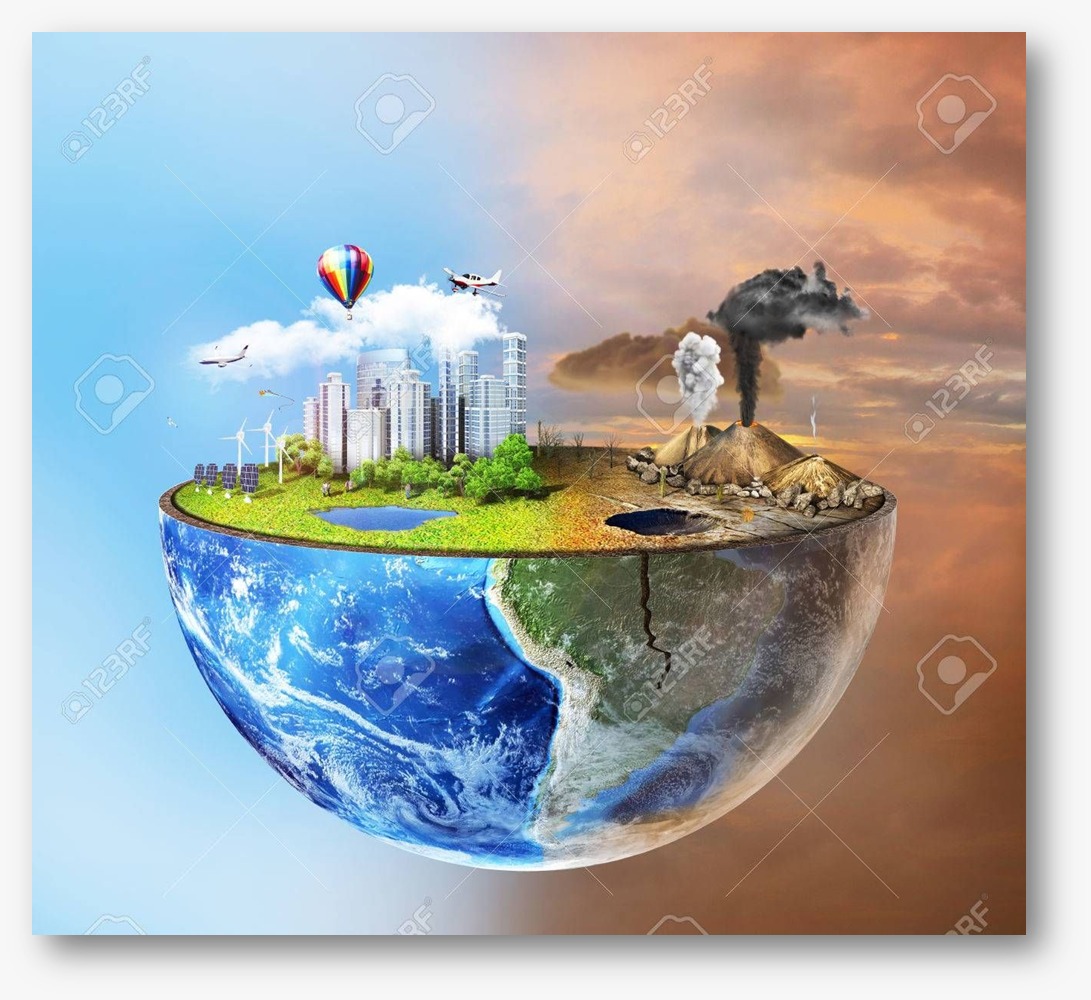
Although we live on Earth, there
is a lot we do not know about it. Just as there are exploration trips in outer
space, there are also many researches to learn more about this planet. Earth contains a lot of wealth that help humanity, but
there is also what destroys it and what may kill thousands of lives in the
blink of an eye. Volcanoes, earthquakes, tornados, and many others are examples
of natural disasters that occur on Earth and may threaten human life.
Unfortunately, it cannot be prevented, but studying these phenomena may help in
predicting them and avoiding many of their consequences.
Geographical Risks
arise as a result of geological
processes including volcanic activity and plate tectonic movement. Landslides,
volcanic eruptions, and earthquakes are some of these occurrences.
Meteorological risks
develop as a result of atmospheric
processes. Extreme temperatures, hurricanes, tornadoes, droughts, and severe
storms are a few examples of meteorological dangers.
Hydrological risks
are dangers
associated with water-related processes. Floods, droughts, and tsunamis are
a few examples.
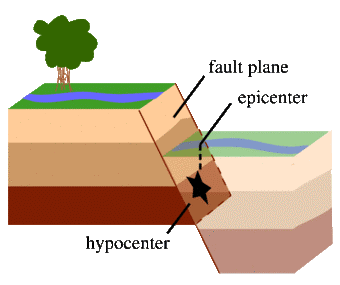
An earthquake is caused by a sudden slip
on a fault. The tectonic plates are always slowly moving, but they get stuck at
their edges due to friction. When the stress on the edge overcomes the
friction, there is an earthquake that releases energy in waves that travel
through the earth's crust and cause the shaking that we feel.
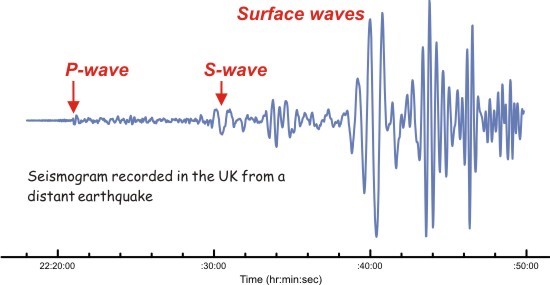
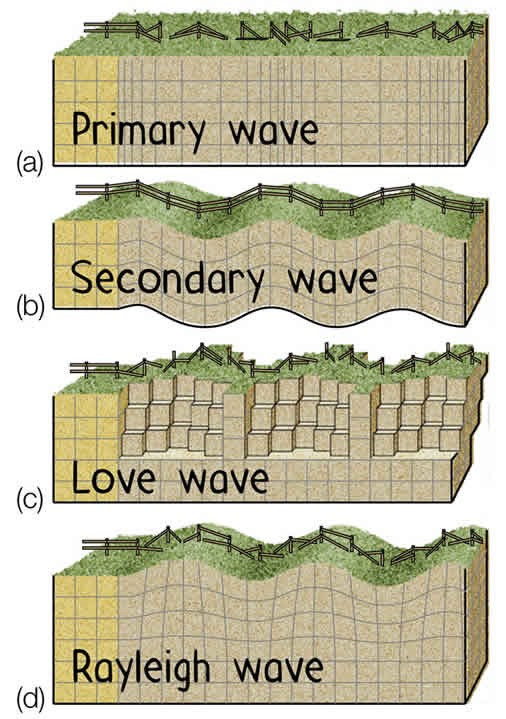
1. (P) Waves or primary waves are the first waves to be discovered.
These are compressional waves that push and pull as they move through rock and fluids,
(the waves cause the rocks to compress and expand like movement through a
slinky as the waves travel through the Earth).
2. (S) Waves or secondary waves are the next
waves to be discovered these waves move only through rock. They move up and
down or side to side, perpendicular to the direction in which the wave is
moving and stop when they reach the outer core of the Earth which is liquid.
Surface waves follow P and S waves. They travel along the
surface of the earth and thus cause the most damage and it have 2 types
Rayleigh waves and Love waves which differ in what directions they shift the
Earth's surface in: · Love wave: moves the
surface side to side, at a right angle to the direction of the wave. · Rayleigh
wave: moves the surface in a rolling circular motion, the same way ocean wave’s
move: forward, down, back, up.
What do you do when an earthquake
occurs?
Drop. Cover. Hold on. ·
DROP down into your hands and knees before the earthquake knocks you
down, COVER your head and neck
(and your entire body if possible) underneath a sturdy table or desk. If there
is no shelter nearby, get down near an interior wall or next to low-lying
furniture that won’t fall on you, and cover your head and neck with your arms
and hands, HOLD ON to your shelter (or to your head and neck) until the shaking
stops. Be prepared to move with your shelter if the shaking shifts it around.
2. If you are inside, stay inside. ·
DO NOT run outside during
an earthquake. ·
Quickly move away from
glass, hanging objects, bookcases, china cabinets, or other large furniture
that could fall ,Watch for falling objects ·
If you are in the kitchen,
quickly turn off the stove and take cover at Feel the shaking of an earthquake ·
If you are in bed, hold on
and stay there, protecting your head with a pillow. ·
DO NOT stand in a doorway.
3. If you are in a high-rise building, drop, cover, and hold on. ·
Move away from windows and
outside walls. ·
Stay in the building. ·
DO NOT use the elevators. ·
If you are trapped, stay
calm. Try to get someone’s attention by tapping on hard or metal parts of the
structure.
4. If you are inside a crowded place, drop, cover, and hold on. ·
Do not rush for the
doorways. ·
Move away from display
shelves ·
If you can, take cover and
grab something to shield your head and face from falling debris and glass.
5. If you are in a moving vehicle, stop as quickly and safely as
possible. ·
Move your car to the
shoulder or curb, away from utility poles, overhead wires, and under- or
overpasses. ·
Stay in the car and set the
parking brake. A car may jiggle violently on its springs, but it is a good
place to stay until the shaking stops. ·
Turn on the radio for
emergency broadcast information. ·
If a power line falls on
the car, stay inside until a trained person removes the wire.
.
6. If you are near the shore, drop, cover, and hold on until the
shaking stops. ·
If severe shaking lasts 20
seconds or more, immediately evacuate to high ground as a tsunami might have
been generated by the earthquake.
· Move inland 2 miles (3
kilometers) or to land that is at least 100 feet (30 meters) above sea level
immediately. Don’t wait for officials to issue a warning. ·
Walk quickly, rather than
drive, to avoid traffic, debris, and other hazards.
Sample Hemust be committed by
safety rules but the people with special needs need to special care, so we
present some advises to them:
· People with mobility problems:
If you are in a recliner or bed: Lie on your stomach and cover your
head and neck with your arms or a pillow until the shaking stops
If you use a cane: Drop, Cover, and Hold On or sit on a chair or in
a bed and cover your head and neck with both hands.
If you use a wheelchair or walker, carefully get as low as possible.
· People
who are deaf or hard of hearing:
Prior to an earthquake, identify and test
multiple ways to receive warnings and evacuation information
· Blind and visually impaired people may not have normal sensory clues when an
earthquake occurs, so they should move with caution.
· People with developmental, cognitive, or intellectual disabilities,
who have difficulty understanding, remembering, or learning should make a
simple list of important information and things he needs or does on a mobile
device using a speaking and communication app
What is a hurricane
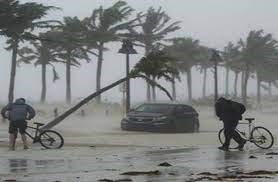
A hurricane is a storm system that revolves around a region of low pressure and generates powerful winds and torrential rain. Technically, a system is categorized as a tropical storm if wind speeds are between 34 and 63 knots A hurricane is only given this designation if wind speeds are over 63 knots. A hurricane typically rushes ahead at a speed of 17 knots while being on average 500 miles wide and 10 miles highly
volcanic
eruptions
released lava and gas from the volcano
sometimes explosive. When newly erupted lava rushes down the walls of a volcano, it
causes a "glowing avalanche," the deadliest sort of eruption.
Advantages of the volcanic eruptions
1) Volcanic eruptions
contribute to the stabilization of the planet's core's temper comeAfter the liquid lava has
dried, new landforms are also created by volcanic explosions. 3) Different uses exist for
lava ashes. 4)
Various minerals found in lava enrich the current soil.
Disadvantages of volcanic eruptions
1) It causes a great deal of destruction. 2) Harmful gases are also produced during
volcanic eruptions. 3) The heat from the lava acts to accelerate
global warming. 4) A lot of people frequently perish in lava
flows.5)Habitats and landscapes are damaged
by lava flows. 6)As it is challenging for businesses to
operate following an eruption, economic
Key Facts About Protecting
Yourself During a Volcanic Eruption
if you're inside
1. Lock
all the doors, windows, and dampers on the fireplace or wood stove. 2. Shut
off all fans, heaters, and air conditioners. 3. Bring
animals, including pets, into secure shelters. 4. Wear
long-sleeved shirts and long pants. 5. Use
goggles to protect your eyesIf you're outside
1. Look
for shelter inside. 2. Roll
into a ball if you get caught in a rockfall to protect your head. 3. Be
mindful of rising water and potential mudflows in low-lying regions if you're
close to a stream or river. Move as swiftly as you can upslope. 4. For
burns, seek treatment straight soon. Quick medical attention can save lives. 5. Move
away from the area right away if volcanic gases and fumes irritate your eyes,
nose, or throat. When you are no longer in contact with the gases or fumes,
your symptoms should go away. If the symptoms persist, see a doctor
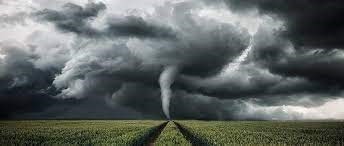
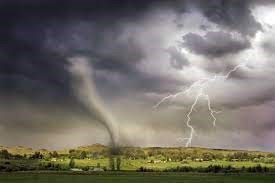
Tornadoes
The
definition: A
violently rotating column of air touching the ground, usually attached to the
base of a thunderstorm. They are considered as nature’s most violent storms.
Tornadoes can cause fatalities and devastate a neighborhood in seconds.
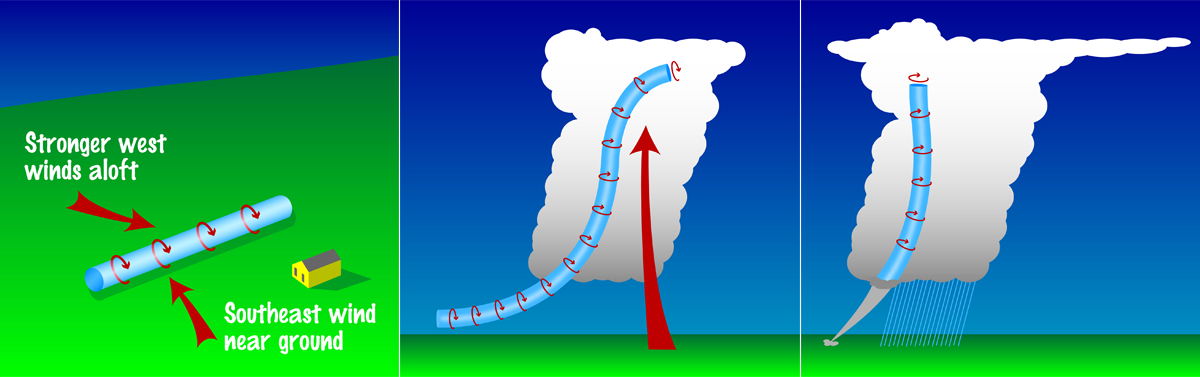
The
formation
Conditions
are ripe for tornadoes when the air becomes very unstable, with winds at
different altitudes blowing in different directions or at different speeds—a
condition called wind shear. The first result is a large thunderstorm. Inside the huge thundercloud, warm
and humid air is rising, while cool air is falling, along with rain or hail.
All these conditions can result in rolling, spinning air currents inside the
cloud. Although this spinning column of air starts out horizontal, it can
easily go vertical and drop down out of the cloud. When it touches the ground,
it's a tornado. The
winds inside the spinning column of some tornadoes are the fastest of any on
Earth. They can reach over 300 miles per hour. Sometimes the spinning column of
air lifts off the ground, then touches down again some distance along its path.
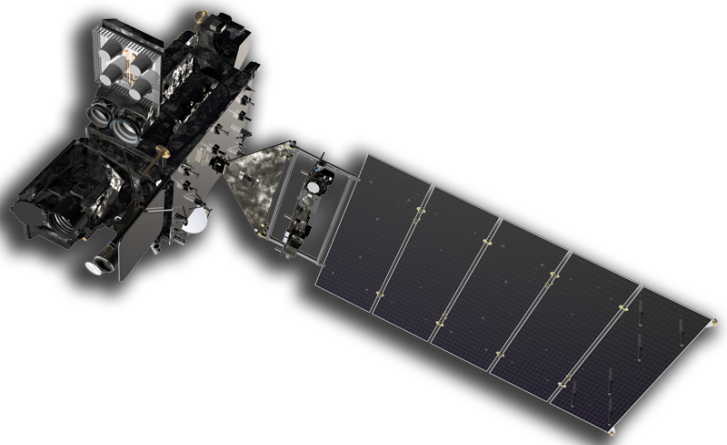
GOES-R
series satellites will be better at seeing what's actually going on inside the
cloud: how much lightning it produces, cloud top properties and the motion of
the clouds. All these measurements affect how likely the cloud is to make
tornadoes, and what kind of tornadoes it could produce.
Drought
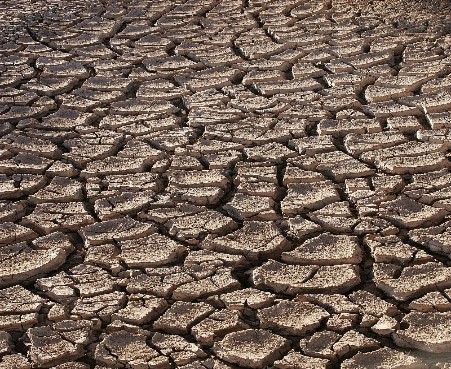
Drought definition:
A drought is an event of prolonged
shortages in the water supply, whether atmospheric (low-average precipitation),
surface water or ground water.
Drought reasons:
Droughts are caused by low
precipitation over an extended period of time. Atmospheric conditions such as
climate change, ocean temperatures, changes in the jet stream, and changes in
the local landscape are all factors that contribute to drought.
Results of Drought :
Drought poses many and far reaching
health implications. Some drought-related health effects occur in the
short-term and can be directly observed and measured.
But the slow rise or chronic nature
of drought also can result in longer term, indirect health implications that
are not always easy to anticipate or monitor. ·
Drought
can limit the growing season and create conditions that encourage insect and
disease infestation in certain crops.
·
Low
crop yields can result in rising food prices and shortages, potentially leading
to malnutrition.
·
Drought
can also affect the health of livestock raised for food
·
Shortages of drinking water and poor quality
drinking water
·
Impacts on air quality, sanitation and hygiene,
and food and nutrition
·
More disease, such as West Nile Virus carried by mosquitoes
breeding in stagnant water
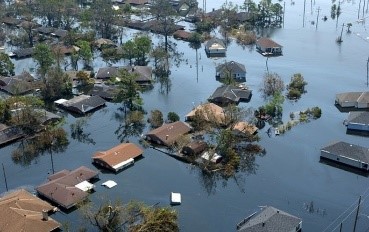
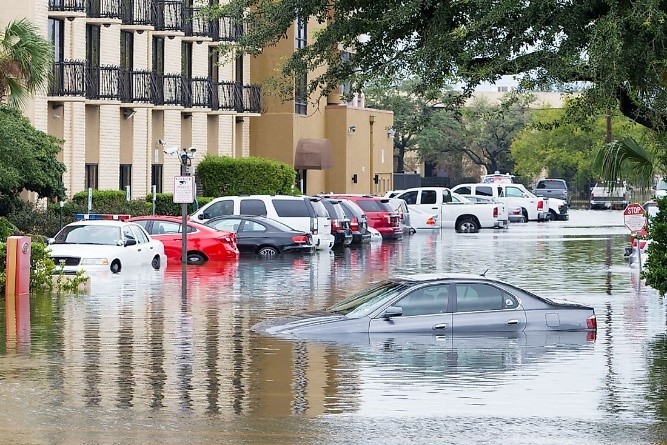
Flood
Floods usually in areas adjacent to or surrounded by water
bodies; Such as seas, rivers, lakes and oceans as a result of rising water
levels in those apartments, or the occurrence of natural or industrial
disturbances that push the water outside its usual range. Floods may leave
behind heavy damage to property and sometimes lives if proper precautions are
not taken against them and measures are taken to protect residents from them.
Usually for a short period of time, or because large amounts of snow are
melting at a faster than normal rate, allowing water to drain, or even because
dams have collapsed or landslides blocking the river's course have stopped
occurring. Of floods in a particular area. Some floods happen quickly and
suddenly, like heavy rain. It may only take a few minutes before it occurs
without any previous visible signs of it showing. It can also occur gradually; it
may take days or even months for a flood to occur. Low-lying areas are more
prone to flooding; this is due to the natural flow of water towards it from the
heights.
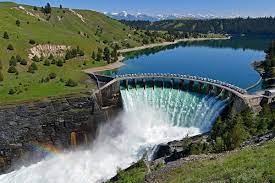
Solution Flood
Actions that take the necessary measures: Seawalls: Sea
walls and tidal gates have been established in some areas so that the waves can
meet the water level and thus prevent the water from reaching the shores at its
natural level. After it was completed on the shores of Japan in 2011, Japan
decided to finish the walls of concrete walls with an area of 400 km, its
height will be 400 km. In some areas to ward off disasters by using tanks or
basins to collect rainwater and avoid it. A schematic diagram of the
construction work on their permits with a view to draining waterways due to
their buildings. Or sell it or sell it or sell it or sell it. You mind having
ground protection from trees, thorns, and weeds that help protect the ground
from the ground. The inhabitants of the crater areas planted many trees to help
break the torrential force moving and maintain the integrity of the soil. This
is because people have little knowledge of the effects of these behaviors when
it rains. And the house of watercolor printers was his way, and soon people
moved. Water collection basins: small water tanks, which are water storage
sites, which are storage sites for sol water, meaning that they appear when
floods occur. This gives residents more time to evacuate their homes and
possessions.
 A hurricane is only given this designation if wind speeds are over 63 knots. A hurricane typically rushes ahead at a speed of 17 knots while being on average 500 miles wide and 10 miles highly